Primal Diet
Aajonus Vonderplanitz’s approach centres on raw animal foods. It inspires our attention to animal foods and food quality; Optimally uses safe preparation rather than adopting his raw-food protocol.
Aajonus in his own wordsUnderstand what’s in your food.
Discover what nourishes you.
Make better choices, one meal at a time.
Thoughtfully built for iPhone.
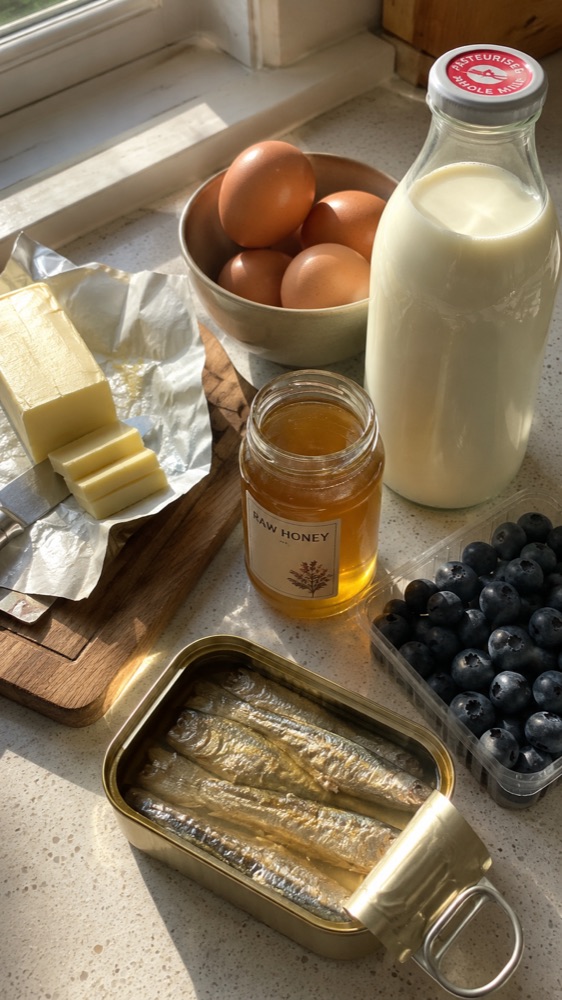
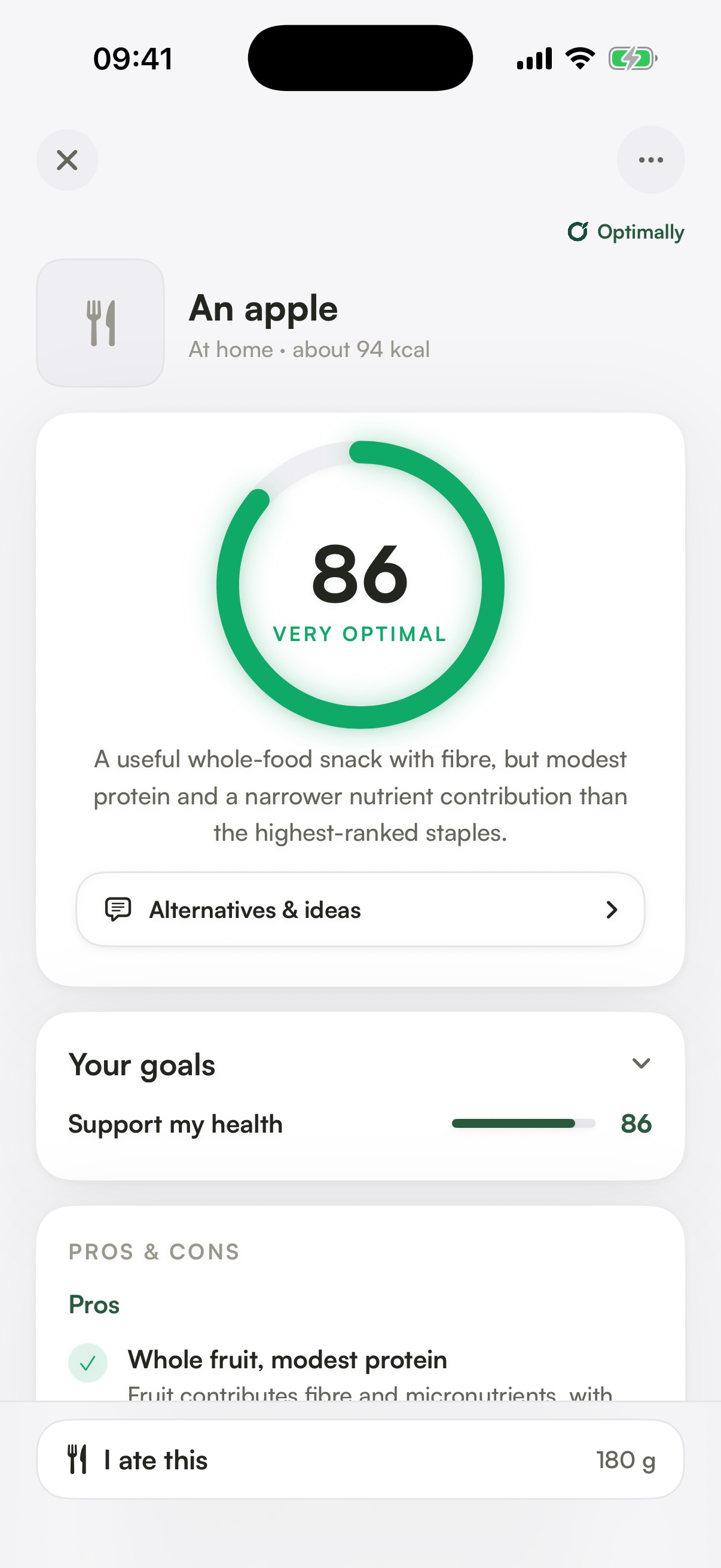
At the shop, in the kitchen, or planning your next meal. Optimally turns food information into something you can actually use.
 Understand your food
A score is the beginning of the explanation.
A practical way to eat, inspired by Aajonus Vonderplanitz’s focus on animal foods and Ray Peat’s interest in nutrition, and informed by research across dietary patterns.
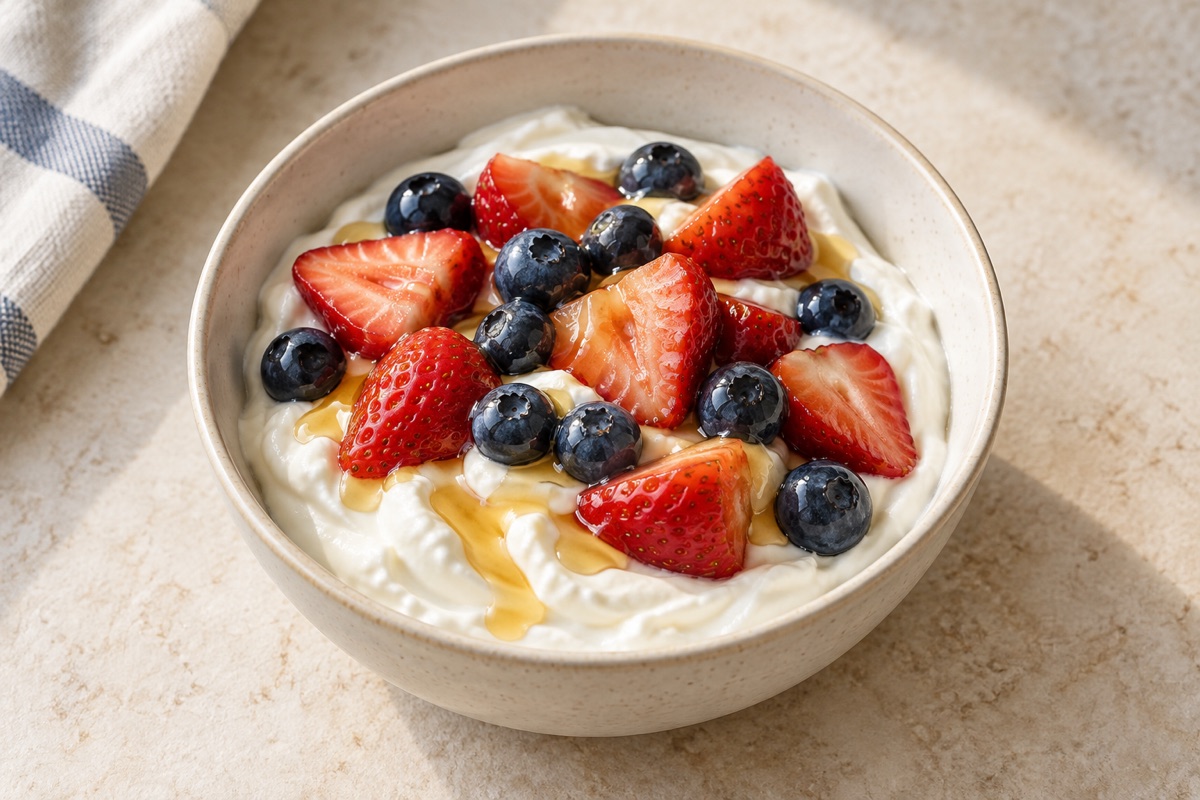
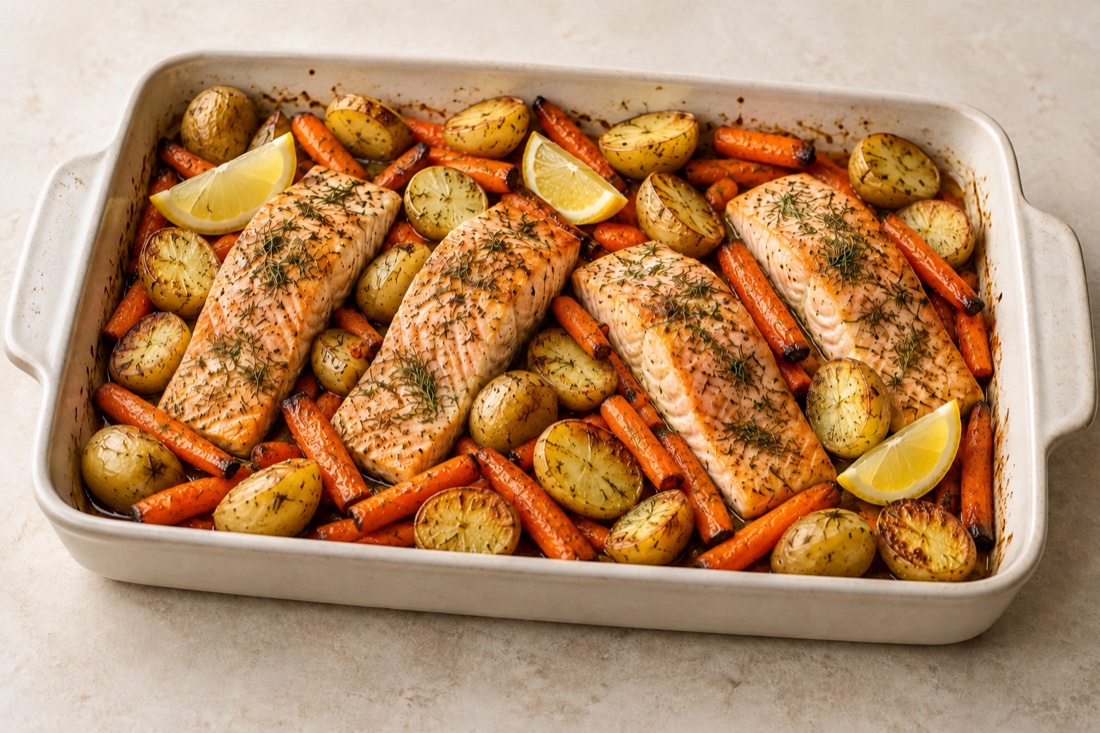
Explore the thinkingMake familiar, minimally processed foods the foundation. Eggs, fish, meat, fruit, tolerated dairy, and roots are a good place to start.
Protein and energy matter. So do the vitamins and minerals your food contributes. Optimally helps bring them into the picture.
Choose foods you enjoy and tolerate. Your allergies, preferences, appetite, and daily life still matter.
 Why I built Optimally
“I want to help people eat real, healthy food. Too often, we don’t realise what’s in the modern foods we eat every day.”
That is the reason behind Optimally. Food packaging makes promises. Diet advice pulls in different directions. A simple question like “what should I eat?” can become unnecessarily complicated.
I built Optimally to make the ingredients clearer, bring nourishing foods back into focus, and give people a useful place to start.
Different diets ask useful questions. We take those questions seriously, then look at what the research can actually tell us.
Aajonus Vonderplanitz’s approach centres on raw animal foods. It inspires our attention to animal foods and food quality; Optimally uses safe preparation rather than adopting his raw-food protocol.
Aajonus in his own wordsHis interest in fruit, dairy, energy, and nutrient adequacy helps shape our food ideas. His essays are inspiration; they do not establish that a Peat-style diet improves health.
Read Peat’s milk essayThe reanalysed PREDIMED trial found fewer major cardiovascular events in older, high-risk adults assigned a Mediterranean pattern with olive oil or nuts.
PREDIMED · NEJM, 2018DASH trials support a varied pattern rich in fruit, vegetables, and low-fat dairy for lowering blood pressure. That reinforces looking at the whole pattern and its nutrients.
The research · NHLBIAajonus Vonderplanitz and Ray Peat offered distinct ideas. Their writing helps explain our inspirations, but does not prove this combined approach improves health. Our everyday foundation is properly cooked meat and eggs, and pasteurised dairy: raw animal foods can carry harmful germs. Read CDC’s food preparation guidance.
We favour practical ideas that fit the human evidence. In Hall’s controlled 2019 trial, 20 adults ate more and gained weight on the ultra-processed menu than on the minimally processed menu over two weeks each. It supports the food-first direction; it does not show that all packaged food is harmful. Read the NIH study summary.
We favour whole fruit over making juice or added sugar a daily foundation. Unsaturated fats remain part of a varied diet. Peat’s views on sugar and polyunsaturated fats are not a reason to override human evidence. Read WHO’s healthy diet guidance.
These studies tested their own dietary patterns, not Optimally. Our approach is a product philosophy informed by research, and has not been clinically shown to be the best diet. Food scores use the app’s own criteria; source links let you examine the reasoning.
The full diet matters more than a single food. Your needs and tolerances matter too.
Explore the ideas behind the app and practical ways to understand the food you buy.
Optimally is an iPhone food guide. Scan products, understand ingredients, explore whole-food meal ideas, and keep a food log. It brings food quality and nutrition into one place so everyday choices are easier to understand.
Optimally draws inspiration from Aajonus Vonderplanitz’s Primal Diet and Ray Peat’s separate writings, especially attention to food quality, animal foods, fruit, and dairy when tolerated. It combines those interests with evidence from other dietary patterns and safe food preparation. There is one Optimally approach, with room for your personal exclusions.
You can start by understanding what is in your food and finding a few meals you enjoy. The food log and nutrition tracking are there when you want more detail; the approach starts with food quality.
A score summarises how a food fits Optimally’s criteria using the available ingredient and nutrition information. Being minimally processed does not automatically earn the highest score: fruit can be a useful snack while contributing less protein and a narrower range of vitamins and minerals than our most nourishing staples. The score is a guide, not a diagnosis or a complete judgement of your diet. Missing information and portion size matter.
Your personal exclusions help shape suggestions and alerts. A database or photo can be incomplete, so always read the physical package and follow your own allergy guidance. A high food score never makes an allergen safe for you.
One meal at a timeMeet your everyday companion for understanding food.
Download on the